








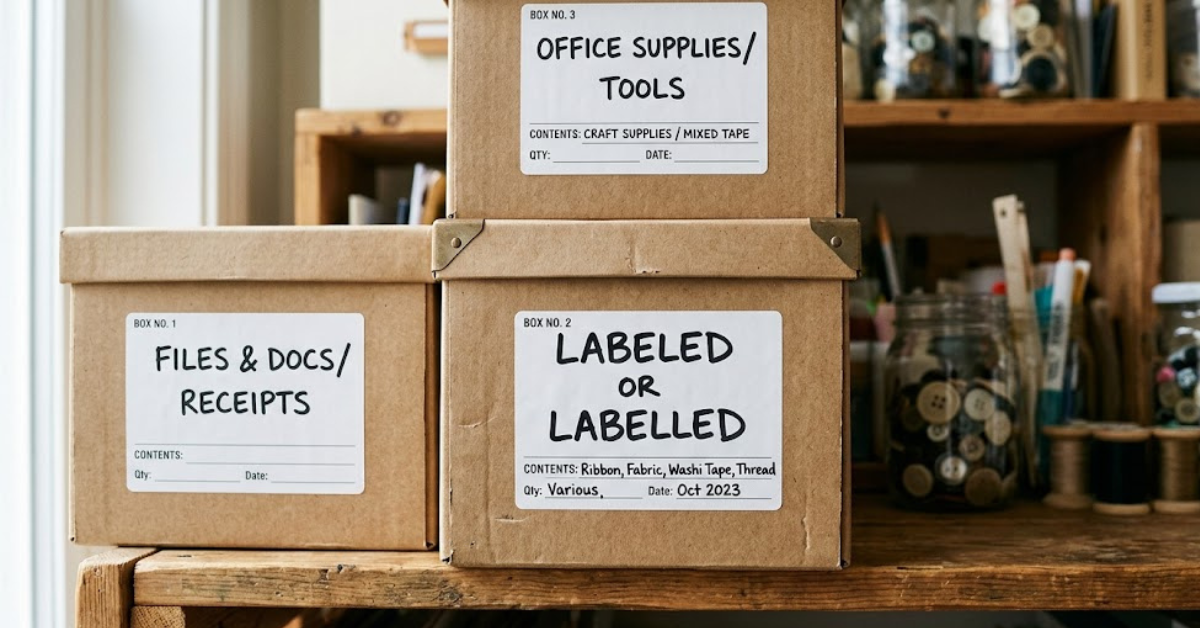
English spelling can be surprisingly tricky, especially when two versions of the same word both appear to be correct. One of the most common examples is the debate around labeled or labelled. If you’ve ever wondered whether the single “L” or double “L” spelling is right, you’re definitely not alone.
The good news is that both spellings are correct — but they’re used in different parts of the world. Understanding the difference between labelled vs labeled mainly comes down to regional English preferences.
In simple terms:
- Labeled is the preferred spelling in American English.
- Labelled is the preferred spelling in British English and several other English-speaking countries.
Let’s break it down clearly so you know exactly when to use each version.
What Is the Difference Between Labeled and Labelled?
The difference between labelled or labeled is purely regional spelling style.
| Spelling | Region |
| Labeled | American English |
| Labelled | British English |
Both words mean the same thing:
To attach a label, classify something, or describe someone or something.
The meaning never changes — only the spelling does.
What Does Labeled Mean?
The word “labeled” is the past tense of the verb “label.”
It can mean:
- Adding a tag or sticker to something
- Categorizing something
- Describing or identifying someone or something
Examples of “Labeled”
- “The boxes were clearly labeled.”
- “She was unfairly labeled as difficult.”
- “Every file is labeled by date.”
In American English, this spelling with one “L” is considered standard.
What Does Labelled Mean?
“Labelled” has exactly the same meaning as “labeled.” The only difference is spelling style.
Examples of “Labelled”
- “The jars were labelled correctly.”
- “He was labelled a genius at a young age.”
- “All products are carefully labelled.”
This double-“L” version is common in:
- British English
- Australian English
- Canadian English (sometimes both)
- New Zealand English
Why Are There Two Spellings?
The difference between labelled vs labeled comes from how American and British English evolved over time.
American English often simplifies spelling by dropping extra letters.
Examples include:
| American English | British English |
| Labeled | Labelled |
| Traveled | Travelled |
| Modeled | Modelled |
| Canceling | Cancelling |
British English tends to keep the doubled consonant when adding suffixes like:
- -ed
- -ing
American English often simplifies the spelling.
Which Is Correct: Labelled or Labeled?
The answer depends on your audience and writing style.
Use “Labeled” If You’re Writing In:
- American English
- U.S.-based websites
- American schools or businesses
Use “Labelled” If You’re Writing In:
- British English
- UK publications
- Australian audiences
- International English styles that follow British conventions
Is One More Popular Than the Other?
Globally, labeled is often searched more frequently online because of the large number of American English users.
However, “labelled” remains widely accepted and commonly used in many English-speaking countries.
Neither spelling is wrong.
Labeled vs Labelled
If you create online content, choosing the right spelling matters for SEO and audience targeting.
For U.S. Audiences
Use:
Labeled
For UK or International Audiences
Use:
Labelled
Consistency is important. Avoid mixing both spellings in the same article unless you’re specifically comparing them.
Common Examples of Labeled and Labelled
Here’s how both versions look in everyday writing.
American English Examples
- “The package was labeled fragile.”
- “Charts were labeled clearly.”
- “The image was incorrectly labeled.”
British English Examples
- Someone labelled the medicine properly.
- Someone labelled every drawer neatly.
- “The suspect was unfairly labelled.”
Why Spellcheck Sometimes Flags One Version
For example:
- U.S. English spellcheck prefers “labeled”
- UK English spellcheck prefers “labelled”
That’s why one spelling may appear incorrect depending on your software settings.
Is “Labelled” Old-Fashioned?
Not at all.
Some people assume “labelled” looks older because American English dominates much of the internet. But “labelled” is still standard modern spelling in British English.
It’s actively used in:
- Newspapers
- Books
- Academic writing
- Government documents
across many countries.
Tips for Choosing the Right Spelling
Here are some easy rules to remember.
Choose “Labeled” When:
- Writing for American readers
- Following U.S. grammar rules
Choose “Labelled” When:
- Writing for UK audiences
- Using British English standards
- Following international publishing guidelines
Most Important Rule
Stay consistent throughout your writing.
Switching between “labeled” and “labelled” in the same piece can look unprofessional.
Related Words With Similar Spelling Differences
The same spelling pattern appears in many English words.
| American English | British English |
| Traveled | Travelled |
| Canceled | Cancelled |
| Modeled | Modelled |
| Counseling | Counselling |
Understanding these patterns makes it easier to recognize regional spelling styles.
FAQs About Labeled or Labelled
Is labeled or labelled correct?
Both are correct. “Labeled” is American English, while “labelled” is British English.
What is the difference between labelled vs labeled?
The only difference is regional spelling preference. The meaning is exactly the same.
Is labelled wrong in American English?
Not technically, but it may look unusual or inconsistent to American readers.
Why does British English use double L?
British English often doubles the final consonant before adding suffixes like “-ed” or “-ing.”
Do Canadians use labeled or labelled?
Canadian English uses both, though “labelled” is often more common because of British influence.
Conclusion
The debate around labeled or labelled isn’t really about right versus wrong — it’s about regional spelling conventions. Both versions are grammatically correct and widely accepted in modern English.
If you’re writing for an American audience, “labeled” is usually the better choice. If you’re following British English rules, “labelled” is perfectly appropriate.
Understanding the difference between labelled vs labeled can help you write more confidently, maintain consistency, and tailor your content to the right audience.