
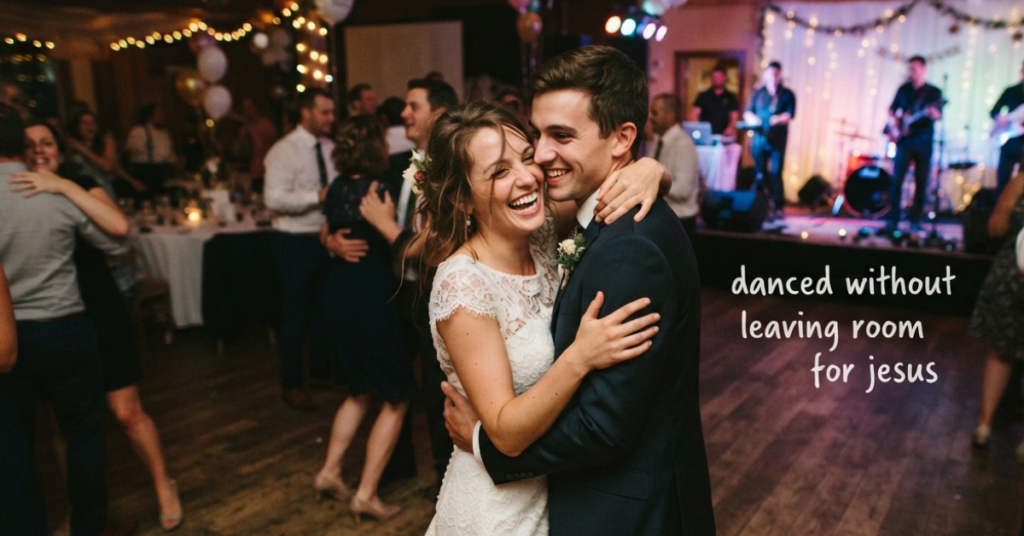

If you’ve ever heard someone say a couple “danced without leaving room for Jesus,” you may have wondered what they actually meant. The phrase has been part of American popular culture for decades, especially in conversations about dating, school dances, and conservative Christian values. Today, it also appears frequently in memes, social media posts, and humorous online discussions.
In this guide, we’ll explain the danced without leaving room for Jesus meaning, explore where the expression came from, discuss why it became so well known, and answer common questions such as what does dancing without leaving room for Jesus mean and what does danced without leaving room for Jesus imply in modern conversations.
What Does “Danced Without Leaving Room for Jesus” Mean?
The phrase “danced without leaving room for Jesus” refers to two people dancing so closely together that there is little or no physical space between them.
Traditionally, the expression was used humorously—or sometimes seriously—by conservative Christian parents, teachers, youth leaders, or church communities to encourage modest physical boundaries during dances.
The idea behind “leaving room for Jesus” was symbolic rather than literal. It suggested maintaining enough personal space to avoid behavior that might be viewed as overly intimate or inappropriate according to certain religious or cultural standards.
Danced Without Leaving Room for Jesus Meaning
The danced without leaving room for Jesus meaning goes beyond dancing itself. It represents broader expectations about personal conduct, modesty, and dating.
Historically, the phrase reflected values such as:
- Respecting personal boundaries
- Practicing modesty
- Avoiding excessive physical intimacy
- Demonstrating self-control
- Following religious teachings about relationships
While some people used the phrase sincerely, others adopted it as a lighthearted reminder during school dances or youth events.
Where Did the Phrase Come From?
Although there is no single documented origin, the expression became widely associated with Christian youth culture in the United States during the late 20th century.
Church leaders, parents, and youth pastors often encouraged teenagers to avoid “close dancing” by joking that they should always “leave room for Jesus.”
The phrase spread through:
- Church youth groups
- Christian schools
- School dances
- Family conversations
- Word of mouth
Over time, it became a recognizable cultural expression even among people who were not religious.
Why Did “Leave Room for Jesus” Become Popular?
Several factors contributed to the popularity of the phrase.
It Was Easy to Remember
Its humorous wording made the advice memorable.
It Communicated Values Clearly
Rather than giving a lengthy explanation about dating boundaries, adults could use one familiar expression.
It Spread Through Popular Culture
As more people shared the saying, it eventually became part of internet humor and social media culture.
What Does Dancing Without Leaving Room for Jesus Mean Today?
Today, what does dancing without leaving room for Jesus mean depends on the context.
In Religious Communities
Some churches still use the phrase when discussing dating boundaries or modest behavior at youth events.
On Social Media
The phrase is often used jokingly in memes, captions, and humorous videos to describe couples dancing very closely together.
In Everyday Conversation
Many people now use it playfully without intending any religious criticism.
Its meaning has expanded beyond its original context while remaining widely recognizable.
Is the Phrase Offensive?
In most situations, the expression is intended as humor or cultural shorthand rather than an insult.
However, reactions vary depending on:
- Religious beliefs
- Cultural background
- Personal experiences
- Context of the conversation
Using the phrase respectfully and understanding its historical background helps avoid misunderstandings.
Why Does the Phrase Continue to Trend Online?
Even decades after becoming popular, the expression continues circulating because it combines religion, humor, and nostalgia.
Common reasons include:
- Viral memes
- TikTok videos
- Funny dance clips
- Wedding videos
- Prom photos
- Nostalgic discussions about youth groups
The phrase often resonates with people who grew up hearing it from parents or church leaders.
Similar Expressions About Dating Boundaries
Many cultures have developed sayings that encourage respectful personal boundaries.
Examples include advice about:
- Keeping appropriate personal space
- Respecting relationship values
- Practicing self-control
- Demonstrating mutual respect
- Following family or cultural expectations
“Leave room for Jesus” is simply one memorable example rooted in a particular cultural and religious tradition.
Why Understanding the Context Matters
Understanding the historical context helps explain why the phrase became so popular.
It was never intended to describe Jesus physically standing between dancers. Instead, it served as a symbolic reminder of values that many Christian families wanted young people to consider while dating or dancing.
Recognizing that symbolism helps explain why the expression remains part of popular culture today.
Frequently Asked Questions (FAQs)
What does danced without leaving room for Jesus mean?
It means two people danced very closely together, leaving little or no physical space between them. The phrase originated as a humorous reminder about modesty and personal boundaries within some Christian communities.
What does dancing without leaving room for Jesus mean?
The expression symbolizes dancing or interacting with greater physical closeness than some conservative Christian traditions considered appropriate.
Is “leave room for Jesus” meant literally?
No. It is a figurative expression rather than a literal statement. The “room” represents maintaining personal space and modest physical boundaries.
Where did the phrase come from?
The saying became popular in Christian youth groups, churches, schools, and families in the United States, particularly during the late 20th century.
Why is it popular on social media?
Its combination of nostalgia, humor, and recognizable cultural meaning has made it a popular meme and caption for videos showing couples dancing closely.
Is the phrase still used today?
Yes. Although often used humorously, some religious communities continue to use it when discussing dating expectations and appropriate conduct.
Conclusion
The phrase “danced without leaving room for Jesus” has evolved from a piece of advice shared in Christian youth culture into a widely recognized expression used in conversations, memes, and social media. At its core, the danced without leaving room for Jesus meaning is about maintaining personal boundaries and modesty during close dancing, reflecting values held by many conservative Christian communities.
Today, the saying is just as likely to be used humorously as it is seriously. Understanding what does dancing without leaving room for Jesus mean requires recognizing both its historical roots and its modern cultural context. Whether you encounter it in a church setting, a funny internet post, or a nostalgic conversation, knowing its background makes the phrase much easier to understand.