





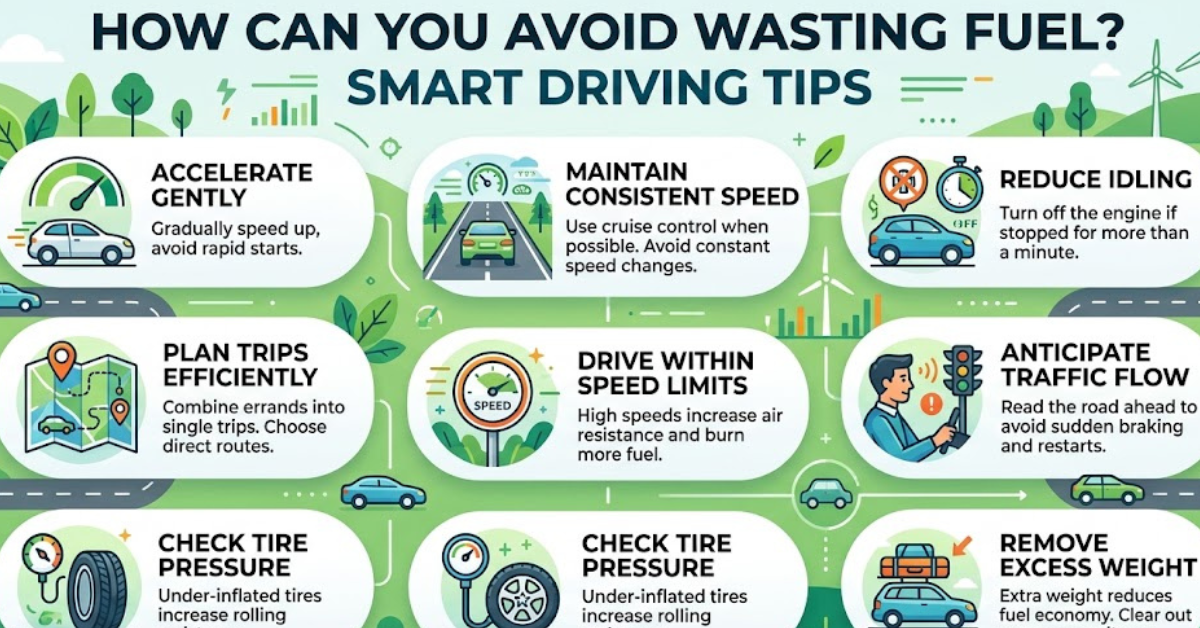
Have you ever noticed your fuel tank emptying faster than expected, even when you’re driving the same routes? With fuel prices constantly fluctuating, many drivers wonder how they can get more miles from every gallon or liter they purchase.
If you’ve been asking how can you avoid wasting fuel, the good news is that small changes in driving habits, vehicle maintenance, and trip planning can make a significant difference. This guide explores proven ways to reduce fuel consumption, lower transportation costs, and improve overall vehicle efficiency.
Why Fuel Efficiency Matters
Fuel efficiency isn’t just about saving money at the pump. It also affects:
- Vehicle performance
- Engine longevity
- Environmental impact
- Household transportation budgets
- Carbon emissions
Whether you drive a compact sedan, an SUV, a pickup truck, or a hybrid vehicle, reducing unnecessary fuel consumption benefits both your wallet and the environment.
Drive Smoothly and Avoid Aggressive Acceleration
One of the biggest causes of fuel waste is aggressive driving.
How Hard Acceleration Wastes Fuel
Rapid acceleration forces the engine to work harder and burn more fuel than necessary. Similarly, frequent hard braking wastes the energy used to get the vehicle moving.
Instead:
- Accelerate gradually
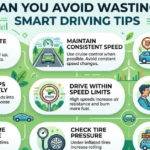
- Maintain a steady speed
- Anticipate traffic conditions
- Coast when appropriate
Studies consistently show that aggressive driving can significantly reduce fuel economy, especially in city traffic.
Maintain Consistent Speeds
Constant speed changes force your engine to consume extra fuel.
When safe and practical:
- Use cruise control on highways
- Avoid unnecessary speeding
- Leave adequate following distance
A smoother driving style often results in noticeable fuel savings over time.
Keep Your Tires Properly Inflated
Tire pressure has a direct impact on fuel consumption.
Why Tire Pressure Matters
Underinflated tires create greater rolling resistance, which means the engine must work harder to move the vehicle.
Benefits of proper tire inflation include:
- Better fuel economy
- Improved handling
- Longer tire life
- Enhanced safety
Check tire pressure at least once a month and follow the manufacturer’s recommended specifications.
Reduce Excess Vehicle Weight
Many drivers unknowingly carry extra weight that hurts fuel efficiency.
Common Sources of Unnecessary Weight
Examples include:
- Sports equipment
- Toolboxes
- Unused cargo
- Heavy storage containers
- Roof racks when not in use
Every additional pound requires more energy to move, especially during acceleration.
Remove Roof-Mounted Accessories
Roof boxes, bike racks, and cargo carriers create aerodynamic drag.
Even when empty, these accessories can reduce fuel economy by increasing wind resistance.
Avoid Excessive Idling
Modern engines use less fuel restarting than they do idling for extended periods.
When Idling Becomes Wasteful
Common situations include:
- Waiting outside schools
- Long drive-through lines
- Parking lot waiting
- Extended warm-up periods
Most modern vehicles require only a short warm-up time before driving.
If you’ll be stopped for more than a minute, turning off the engine can often save fuel.
Maintain Your Vehicle Regularly
Routine maintenance is one of the most effective answers to the question, how can you avoid wasting fuel.
Replace Air Filters When Needed
A dirty air filter can restrict airflow to the engine.
While modern engines compensate for airflow issues better than older vehicles, maintaining a clean filter still supports efficient operation.
Keep the Engine Tuned
Regular maintenance should include:
- Spark plug inspections
- Oil changes
- Fluid checks
- Fuel system inspections
- Engine diagnostics
A properly maintained engine typically performs more efficiently and consumes less fuel.
Use the Recommended Motor Oil
Vehicle manufacturers specify oil grades for a reason.
Using the correct motor oil can:
- Reduce engine friction
- Improve performance
- Enhance fuel efficiency
Always consult your owner’s manual for specifications.
Plan Trips Efficiently
Trip planning can significantly reduce fuel waste.
Combine Multiple Errands
Instead of taking several short trips throughout the day, combine errands into one route.
Benefits include:
- Less fuel consumption
- Reduced engine wear
- Time savings
- Fewer cold starts
Cold engines typically consume more fuel than engines operating at normal temperatures.
Avoid Traffic Congestion
Traffic jams increase fuel consumption because of:
- Frequent acceleration
- Stop-and-go driving
- Extended idling
Use navigation apps that provide:
- Real-time traffic updates
- Alternative routes
- Estimated travel times
Use Air Conditioning Wisely
Air conditioning improves comfort but can affect fuel economy.
Finding the Right Balance
At lower speeds:
- Opening windows may be efficient
At highway speeds:
- Open windows can increase aerodynamic drag
- Air conditioning may be the better option
The most efficient choice depends on vehicle type, speed, weather, and road conditions.
Drive at Fuel-Efficient Speeds
Many vehicles achieve peak fuel economy within a moderate speed range.
Why High Speeds Consume More Fuel
As speed increases:
- Aerodynamic resistance rises dramatically
- Engine workload increases
- Fuel consumption climbs
Driving 10–15 mph above the speed limit can noticeably reduce fuel economy on long trips.
Choose the Right Gear and Driving Mode
Transmission usage affects fuel efficiency.
For Manual Transmission Vehicles
Drivers should:
- Shift smoothly
- Avoid excessive engine revving
- Use higher gears when appropriate
For Automatic Vehicles
Many newer vehicles include:
- Eco Mode
- Fuel-saving drive settings
- Adaptive cruise systems
These features help optimize fuel usage under normal driving conditions.
Monitor Fuel Consumption
Tracking fuel usage helps identify wasteful habits.
Useful Metrics to Watch
Monitor:
- Miles per gallon (MPG)
- Liters per 100 kilometers
- Monthly fuel expenses
- Average trip consumption
Many modern vehicles provide fuel economy data through dashboard displays.
Reviewing these numbers can reveal opportunities for improvement.
Avoid Unnecessary Engine Load
Electrical and mechanical accessories draw energy from the engine.
Examples of Additional Load
These can affect fuel efficiency:
- High-powered audio systems
- Unnecessary electrical accessories
- Excessive towing
- Overloaded cargo
Using accessories responsibly can help maximize fuel economy.
Consider Fuel-Efficient Driving Technologies
Newer vehicles offer technologies designed to reduce fuel consumption.
Helpful Features Include
- Start-stop systems
- Hybrid drivetrains
- Regenerative braking
- Adaptive cruise control
- Tire pressure monitoring systems
These technologies can contribute to long-term fuel savings when used properly.
Common Fuel-Wasting Habits to Avoid
If you’re wondering how can you avoid wasting fuel, eliminate these common mistakes:
- Speeding excessively
- Rapid acceleration
- Hard braking
- Ignoring tire pressure
- Carrying unnecessary weight
- Excessive idling
- Skipping maintenance
- Taking multiple short trips
- Driving with roof racks unnecessarily
- Neglecting route planning
Even correcting a few of these habits can lead to meaningful savings.
Key Takeaways
- Drive smoothly and maintain consistent speeds.
- Keep tires properly inflated.
- Reduce excess weight and aerodynamic drag.
- Avoid unnecessary idling.
- Follow a regular vehicle maintenance schedule.
- Plan routes to reduce traffic and multiple trips.
- Monitor fuel economy regularly.
- Use fuel-saving technologies when available.
FAQ
How can you avoid wasting fuel while driving in city traffic?
Drive smoothly, avoid rapid acceleration, maintain safe following distances, and reduce unnecessary idling. Planning routes to avoid congestion can also improve fuel efficiency.
Does speeding waste more fuel?
Yes. Higher speeds increase aerodynamic drag, causing the engine to consume more fuel. Most vehicles are most efficient at moderate highway speeds.
Can low tire pressure affect fuel consumption?
Absolutely. Underinflated tires create more rolling resistance, forcing the engine to work harder and burn more fuel.
Is it better to turn off the engine instead of idling?
In many cases, yes. Modern vehicles use very little fuel during startup, making prolonged idling less efficient than restarting the engine.
How often should I check tire pressure to save fuel?
Checking tire pressure at least once a month is recommended. Properly inflated tires improve fuel economy, safety, and tire lifespan.
What is the easiest way to avoid wasting fuel?
The simplest approach is to combine smooth driving habits with regular vehicle maintenance. These two factors often provide the greatest fuel-saving benefits.
Conclusion
Understanding how can you avoid wasting fuel starts with recognizing that fuel efficiency is influenced by both driving behavior and vehicle condition. Smooth acceleration, proper tire maintenance, reduced idling, smart route planning, and routine servicing all play important roles in lowering fuel consumption.
The best part is that most of these changes cost little or nothing to implement. By applying these practical strategies consistently, you can spend less on fuel, reduce vehicle wear, and enjoy a more efficient driving experience. Start with one or two improvements today, and you’ll likely notice the savings over time.