







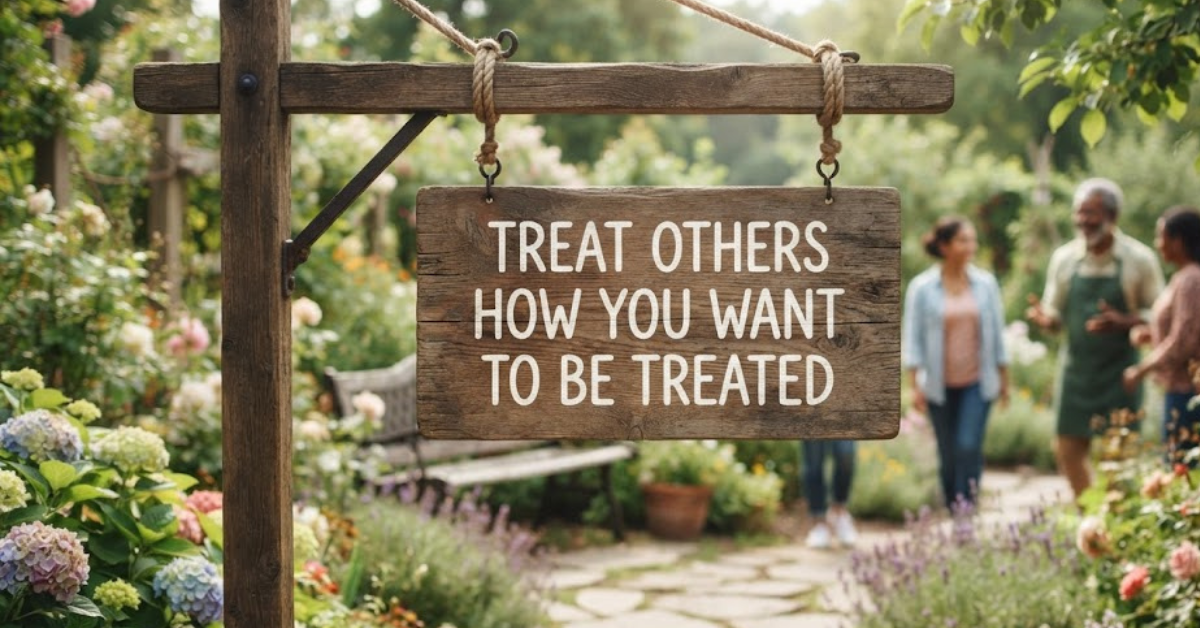
Imagine living in a world where everyone spoke with kindness, listened with empathy, and treated each other with respect. While no society is perfect, one simple principle has guided people toward better relationships for centuries: treat others how you want to be treated. Often called the Golden Rule, this timeless idea encourages us to show the same courtesy, honesty, and compassion that we hope to receive from others.
But what does it really mean to treat others how you want to be treated? Is it simply about being polite, or does it involve something deeper? In this guide, we’ll explore the meaning of this principle, why it matters, how it benefits our personal and professional lives, and practical ways to live by it every day.
What Does “Treat Others How You Want to Be Treated” Mean?
At its core, the phrase means that you should treat people with the same respect, kindness, fairness, and understanding that you would expect for yourself.
It’s about putting yourself in someone else’s shoes before you act or speak. Before making a decision, ask yourself:
- Would I like to be spoken to this way?
- Would I appreciate this behavior?
- How would I feel if someone treated me like this?
These simple questions can help guide better choices in everyday interactions.
The Golden Rule Explained
The idea of treating others with respect is commonly known as the Golden Rule.
Although wording varies across cultures and philosophies, the central message remains remarkably consistent:
Treat people with the same care and consideration you would want for yourself.
This principle encourages empathy rather than selfishness. It reminds us that our actions affect others just as their actions affect us.
Why Is It Important to Treat Others How You Want to Be Treated?
This principle may sound simple, but its impact is significant.
Practicing kindness and respect helps build stronger relationships, healthier communities, and more positive workplaces.
Some of the biggest benefits include:
- Better communication
- Increased trust
- Stronger friendships
- Reduced conflict
- Improved teamwork
- Greater emotional well-being
Small acts of kindness often create a ripple effect, encouraging others to respond in the same way.
Benefits of Treating Others with Kindness
1. Builds Strong Relationships
People naturally enjoy spending time with those who are respectful and considerate.
Whether it’s family, friends, coworkers, or neighbors, kindness strengthens trust and mutual respect.
2. Encourages Respect in Return
While kindness doesn’t guarantee the same treatment from everyone, respectful behavior often inspires others to respond positively.
People are generally more willing to cooperate with someone who treats them fairly.
3. Reduces Conflict
Many disagreements begin because of misunderstandings, impatience, or disrespect.
Choosing empathy over anger can prevent small issues from becoming larger problems.
4. Improves Mental Well-Being
Acts of kindness don’t only benefit others—they often improve your own emotional health as well.
Helping someone, offering encouragement, or showing gratitude can create a greater sense of purpose and satisfaction.
5. Creates Positive Communities
Communities thrive when people care about one another.
Respectful behavior contributes to safer schools, friendlier workplaces, and stronger neighborhoods.
Practical Ways to Treat Others How You Want to Be Treated
Living by the Golden Rule doesn’t require grand gestures.
Simple everyday actions make a meaningful difference.
Here are practical ways to put this principle into action:
Listen Carefully
Give people your full attention instead of interrupting.
Speak Respectfully
Choose words that are honest without being hurtful.
Show Empathy
Try to understand another person’s perspective before judging.
Be Patient
Everyone experiences difficult days.
Keep Your Promises
Reliability builds trust over time.
Practice Forgiveness
Holding onto resentment often causes more harm than good.
Offer Help
Small acts of generosity can brighten someone’s day.
Express Gratitude
A sincere “thank you” shows appreciation and respect.
Treating Others at School
Students can apply this principle by:
- Including classmates in activities.
- Respecting teachers.
- Avoiding bullying.
- Sharing fairly.
- Helping classmates who are struggling.
Kindness helps create a more welcoming learning environment for everyone.
Treating Others at Work
Professional relationships also benefit from mutual respect.
Employees who practice kindness often:
- Communicate more effectively.
- Resolve disagreements professionally.
- Support team members.
- Build stronger workplace relationships.
- Earn trust and credibility.
Respect contributes to a healthier and more productive workplace culture.
Treating Others Online
The internet sometimes makes it easy to forget that real people are behind the screen.
Applying the Golden Rule online means:
- Avoiding hateful comments.
- Respecting differing opinions.
- Thinking before posting.
- Protecting others’ privacy.
- Encouraging positive discussions.
Digital kindness is just as important as face-to-face kindness.
Common Challenges
Treating others well isn’t always easy.
Sometimes people are:
- Rude
- Impatient
- Unfair
- Disrespectful
Responding with kindness doesn’t mean accepting poor treatment or allowing others to take advantage of you. It means choosing respectful behavior while maintaining healthy boundaries.
Being kind and standing up for yourself can exist together.
The Difference Between Kindness and Weakness
One common misconception is that kindness shows weakness.
In reality, treating others with respect often requires:
- Patience
- Emotional control
- Confidence
- Compassion
- Integrity
Choosing kindness during difficult situations is often one of the strongest responses a person can make.
Everyday Examples
Here are simple examples of living by this principle:
- Holding the door open for someone.
- Saying “please” and “thank you.”
- Listening without interrupting.
- Returning borrowed items promptly.
- Admitting when you’re wrong.
- Respecting different opinions.
- Helping someone carry heavy bags.
- Smiling at people you meet.
These actions may seem small, but they contribute to a more positive environment.
How This Principle Improves Society
Imagine if everyone consistently treated others with respect.
Communities would likely experience:
- Less bullying
- Better teamwork
- Greater trust
- More cooperation
- Stronger families
- More respectful conversations
Although perfection isn’t realistic, each person’s actions contribute to the culture around them.
FAQs
What does “treat others how you want to be treated” mean?
It means treating people with the same kindness, fairness, empathy, and respect that you would like to receive yourself.
Why is it important to treat others how you want to be treated?
It helps build trust, strengthen relationships, reduce conflict, and create a more positive environment at home, school, work, and in the community.
Is this the same as the Golden Rule?
Yes. The phrase is commonly known as the Golden Rule because it encourages mutual respect and empathy.
Does treating others kindly mean letting people take advantage of you?
No. You can be respectful and compassionate while still setting healthy boundaries and standing up for yourself when necessary.
How can children learn this principle?
Parents and teachers can model respectful behavior, encourage empathy, praise acts of kindness, and discuss how actions affect others.
How does this principle apply online?
It encourages respectful communication, thoughtful comments, responsible sharing, and treating people online with the same courtesy shown in person.
Can treating others kindly improve mental health?
Yes. Research suggests that acts of kindness and positive social connections can contribute to improved emotional well-being, reduced stress, and stronger relationships.
Conclusion
The principle of treat others how you want to be treated has stood the test of time because it offers a simple yet powerful guide for everyday life. Whether you’re interacting with family members, friends, coworkers, classmates, or even strangers, choosing kindness, empathy, and respect can strengthen relationships and create a more positive environment for everyone. While you can’t control how others behave, you can always choose how you respond.
By making the Golden Rule part of your daily routine, you’ll not only improve your interactions with others but also contribute to a culture built on understanding and compassion. Small acts of respect may seem insignificant in the moment, but together, they have the power to make a lasting difference.