



Have you ever stood at a post office counter or prepared a letter at home and suddenly realized you don’t know the current stamp price? Postal rates can change over time, making it easy to lose track of the latest costs.
If you’re wondering how much is a 1st and 2nd class stamp, this guide covers everything you need to know. You’ll learn the current prices, the differences between First and Second Class mail, delivery expectations, factors affecting postage costs, and practical tips to avoid overpaying.
Current Cost of a 1st and 2nd Class Stamp
In the United Kingdom, Royal Mail sets the prices for First Class and Second Class stamps.
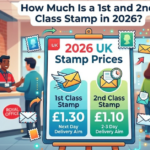
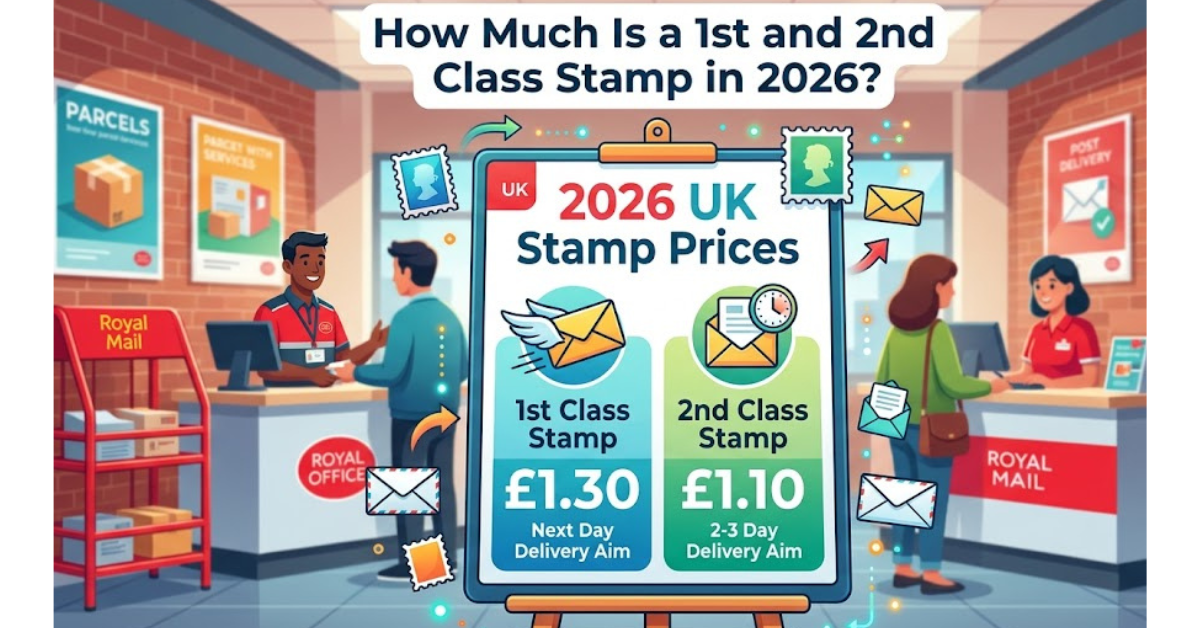
As of 2026, the standard prices for a letter up to 100g are:
| Stamp Type | Price |
| First Class Stamp | £1.70 |
| Second Class Stamp | £0.87 |
These prices apply to standard letters that meet Royal Mail’s size and weight requirements.
What Do These Prices Cover?
A standard stamp typically covers:
- Letters weighing up to 100 grams
- Standard letter dimensions
- Delivery anywhere within the UK
If your item exceeds the weight or size limits, additional postage will be required.
Understanding First Class vs Second Class Stamps
Many people choose between First and Second Class stamps based on urgency and cost.
First Class Stamps
First Class mail is designed for faster delivery.
Benefits include:
- Priority handling
- Faster delivery times
- Suitable for urgent documents
- Widely used for business correspondence
Royal Mail aims to deliver First Class letters the next working day, although this is not guaranteed.
Second Class Stamps
Second Class mail offers a more economical option.
Advantages include:
- Lower postage cost
- Ideal for non-urgent mail
- Reliable nationwide delivery
- Cost-effective for bulk mailing
Royal Mail typically aims to deliver Second Class letters within two to three working days.
Why Stamp Prices Change
Many people notice that postage costs increase periodically. Several factors influence stamp pricing.
Rising Operational Costs
Postal services face increasing expenses, including:
- Employee wages
- Fuel and transportation
- Sorting technology
- Infrastructure maintenance
Declining Letter Volumes
With email, messaging apps, and digital communication becoming dominant, fewer letters are sent each year. Lower mail volumes can increase the cost of maintaining postal networks.
Inflation
Like most goods and services, postage prices are affected by inflation and broader economic conditions.
Royal Mail Letter Size and Weight Limits
Before applying a stamp, it’s important to ensure your letter meets Royal Mail’s standard requirements.
Standard Letter Requirements
Generally, a standard letter should:
- Be no larger than 240mm x 165mm
- Be no thicker than 5mm
- Weigh no more than 100g
Items exceeding these limits may fall into the Large Letter, Small Parcel, or Parcel categories.
Common Examples
Standard letters include:
- Greeting cards
- Personal letters
- Invoices
- Bank documents
- Invitations
Always weigh thicker envelopes before posting.
How to Check If You Need Extra Postage
Incorrect postage can lead to delays or additional charges for the recipient.
Signs You May Need More Than One Stamp
You may require extra postage if:
- The envelope is unusually thick
- The item weighs over 100g
- You are mailing multiple documents
- The package exceeds standard dimensions
A simple postal scale can help determine the correct postage before mailing.
Are Old Stamps Still Valid?
Royal Mail introduced barcoded stamps to improve security and tracking capabilities.
Barcoded Stamps
Current UK stamps include a unique barcode alongside the traditional design.
These stamps offer:
- Enhanced security
- Better mail processing
- Potential access to digital features
Non-barcoded definitive stamps are generally no longer valid unless exchanged through Royal Mail’s stamp swap-out program.
When Should You Choose First Class?
Although First Class costs more, there are situations where the extra expense is worthwhile.
Best Uses for First Class Mail
Consider First Class when sending:
- Legal documents
- Job applications
- Time-sensitive paperwork
- Important personal correspondence
- Last-minute greeting cards
The faster delivery target can provide additional peace of mind.
When Is Second Class the Better Option?
For everyday mail, Second Class often provides excellent value.
Ideal Situations for Second Class
Use Second Class for:
- General letters
- Non-urgent documents
- Routine business mail
- Promotional materials
- Personal correspondence without strict deadlines
The savings become significant when sending large volumes of mail.
Cost Comparison: First Class vs Second Class
Here’s a quick comparison to help you decide.
| Feature | First Class | Second Class |
| Price | £1.70 | £0.87 |
| Delivery Aim | Next working day | 2–3 working days |
| Priority Handling | Yes | No |
| Best For | Urgent mail | Routine mail |
| Popularity | High | High |
For many households, the choice depends on whether speed or savings matter more.
Tips to Save Money on Postage
If you send letters regularly, these strategies can reduce costs.
1. Use Second Class for Non-Urgent Mail
Switching to Second Class can nearly halve your postage expenses.
2. Weigh Mail Before Posting
Avoid paying extra due to incorrect postage.
3. Buy Stamps in Advance
Purchasing stamps before future price increases may help reduce costs.
4. Use Online Postage Services
Online postage tools can help calculate exact rates and prevent overpayment.
5. Consolidate Documents
When possible, combine multiple letters into one mailing to reduce overall costs.
Key Takeaways
- A First Class stamp currently costs £1.70.
- A Second Class stamp currently costs £0.87.
- First Class aims for next-working-day delivery.
- Second Class usually arrives within two to three working days.
- Weight and size limits affect postage requirements.
- Choosing the right stamp depends on urgency and budget.
Frequently Asked Questions
How much is a 1st and 2nd class stamp today?
A standard First Class stamp costs £1.70, while a standard Second Class stamp costs £0.87 for letters up to 100g within Royal Mail’s size limits.
Is a First Class stamp worth the extra money?
If your letter is time-sensitive, a First Class stamp can be worthwhile due to its faster delivery target. For routine mail, Second Class often provides better value.
How long does a Second Class stamp take to deliver?
Royal Mail generally aims to deliver Second Class mail within two to three working days, although actual delivery times may vary.
Can I use two Second Class stamps instead of a First Class stamp?
Yes. As long as the total postage value covers the required amount, multiple stamps can be used on a single item.
Do First and Second Class stamps expire?
Barcoded stamps remain valid for postage. Older non-barcoded definitive stamps generally needed to be exchanged through Royal Mail’s stamp replacement program.
What happens if I don’t put enough postage on a letter?
The item may be delayed, returned, or delivered with an additional fee charged to the recipient.
Conclusion
Understanding how much is a 1st and 2nd class stamp helps ensure your mail reaches its destination without delays or unexpected charges. While First Class offers faster delivery for urgent correspondence, Second Class remains a cost-effective choice for everyday letters.
Before posting, always check the latest Royal Mail pricing, verify your letter’s size and weight, and choose the service that best fits your needs. A few moments of preparation can save both time and money while ensuring your mail arrives as expected.