









Have you ever imagined where you’d like your career to be in five or ten years, only to feel overwhelmed by how far away that destination seems? You’re not alone. Many professionals have ambitious dreams but struggle to turn them into reality because they focus only on the finish line.
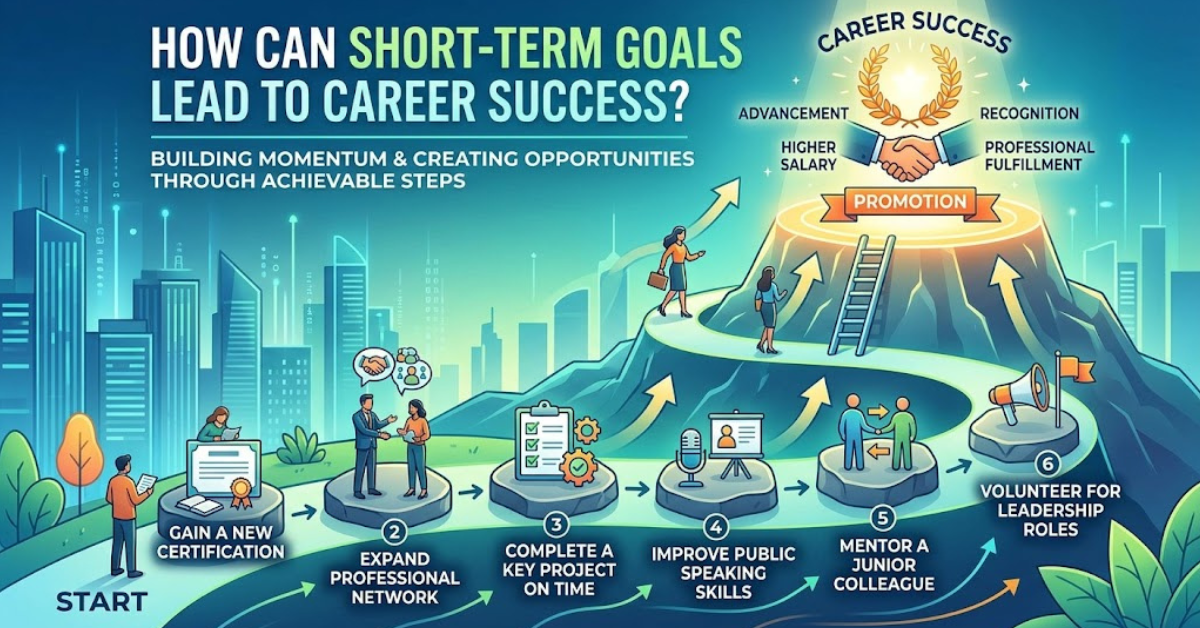
The answer often lies in a simple but powerful question: how can short term goals best lead towards accomplishing long term career goals? The most successful people understand that major career achievements are rarely the result of one big breakthrough. Instead, they’re built through a series of smaller, intentional actions taken consistently over time.
In this guide, you’ll learn how short-term goals support long-term career growth, why they matter, how to create them effectively, and practical strategies for staying on track toward your professional aspirations.
Understanding the Connection Between Short-Term and Long-Term Career Goals
Long-term career goals represent your ultimate professional vision. These goals may include becoming a senior executive, starting a business, changing industries, or becoming an expert in your field.
Short-term goals are the smaller milestones that move you closer to that vision. They typically focus on achievements that can be completed within days, weeks, months, or a year.
Think of it this way:
- Long-term goal: Become a marketing director within 10 years.
- Short-term goal: Earn a digital marketing certification within six months.
- Short-term goal: Lead a campaign project this year.
- Short-term goal: Improve presentation skills through monthly practice.
Each short-term achievement builds momentum and prepares you for larger responsibilities.
Why Short-Term Goals Are Essential for Career Success
They Make Large Goals More Manageable
Big career ambitions can feel intimidating. Breaking them into smaller tasks creates a clear path forward.
Instead of wondering how to become a company leader someday, you can focus on:
- Improving leadership skills
- Taking management training
- Mentoring junior employees
- Managing small projects
This step-by-step approach reduces uncertainty and increases confidence.
They Create Consistent Progress
Career growth rarely happens overnight. Short-term goals encourage steady improvement.
Even small accomplishments contribute to larger outcomes over time. Consistent progress often matters more than occasional bursts of effort.
They Increase Motivation
Achieving small goals provides a sense of accomplishment. These wins reinforce positive habits and keep motivation high.
When employees see measurable progress, they are more likely to remain committed to their long-term career plans.
They Help Measure Success
Without short-term milestones, it’s difficult to know whether you’re moving in the right direction.
Short-term goals provide clear checkpoints that allow you to evaluate:
- Skill development
- Performance improvements
- Professional growth
- Career readiness
How Can Short Term Goals Best Lead Towards Accomplishing Long Term Career Goals?
The most effective way short-term goals contribute to long-term career success is by creating a structured roadmap.
Building Relevant Skills
Every profession requires ongoing learning. Short-term goals help identify specific skills needed for future roles.
For example:
If your long-term goal is becoming a software engineering manager, your short-term objectives may include:
- Learning advanced programming techniques
- Improving communication skills
- Completing leadership training
- Managing small development teams
Over time, these skills combine to prepare you for higher-level responsibilities.
Creating Professional Experience
Employers value experience as much as education.
Short-term goals help you gain practical exposure through:
- New projects
- Cross-functional collaborations
- Volunteer leadership opportunities
- Industry events
Each experience strengthens your professional profile.
Expanding Your Network
Networking plays a critical role in career advancement.
Short-term networking goals might include:
- Attending one industry event per month
- Connecting with professionals on LinkedIn
- Scheduling informational interviews
- Joining professional associations
These relationships often lead to future opportunities.
Developing Productive Habits
Career success often depends on habits rather than isolated actions.
Short-term goals encourage behaviors such as:
- Daily learning
- Regular skill practice
- Time management
- Consistent performance reviews
Strong habits create lasting professional growth.
The SMART Framework for Career Goal Setting
One of the most effective approaches to goal setting is the SMART framework.
Specific
Clearly define what you want to achieve.
Instead of:
“Improve communication.”
Try:
“Complete a professional public speaking course.”
Measurable
Track your progress using clear metrics.
Examples:
- Complete three certifications
- Read one industry book monthly
- Increase sales by 10%
Achievable
Set realistic goals that challenge you without being impossible.
Relevant
Ensure every short-term goal aligns with your long-term career vision.
Time-Bound
Establish deadlines to maintain accountability.
Examples of Short-Term Goals Supporting Long-Term Career Goals
Example 1: Future Executive Leader
Long-Term Goal:
Become a Chief Executive Officer (CEO).
Short-Term Goals:
- Complete leadership workshops
- Lead departmental initiatives
- Develop financial management skills
- Build relationships with senior leaders
Example 2: Software Developer
Long-Term Goal:
Become a senior software architect.
Short-Term Goals:
- Learn cloud technologies
- Earn technical certifications
- Contribute to major projects
- Improve system design expertise
Example 3: Entrepreneur
Long-Term Goal:
Launch a successful business.
Short-Term Goals:
- Research market opportunities
- Create a business plan
- Build industry connections
- Learn financial management basics
Common Mistakes That Prevent Career Progress
Setting Goals Without a Long-Term Vision
Short-term goals should always support a larger objective. Otherwise, you may stay busy without making meaningful progress.
Creating Too Many Goals
Trying to achieve everything at once often leads to burnout.
Focus on a few high-impact priorities.
Ignoring Progress Reviews
Career goals should be reviewed regularly.
Ask yourself:
- Am I moving closer to my desired role?
- Are my goals still relevant?
- What adjustments are needed?
Focusing Only on Technical Skills
Soft skills matter equally.
Invest in:
- Communication
- Leadership
- Emotional intelligence
- Collaboration
Practical Strategies for Staying on Track
Write Down Your Goals
Research consistently shows that written goals are more likely to be achieved.
Create a career roadmap with:
- Long-term objectives
- Annual goals
- Quarterly milestones
- Monthly action items
Track Progress Regularly
Review achievements weekly or monthly.
Celebrate completed milestones to maintain momentum.
Seek Feedback
Managers, mentors, and colleagues can provide valuable insights into your development.
Feedback helps identify strengths and areas for improvement.
Stay Flexible
Industries evolve rapidly. Adjust your short-term goals when necessary while keeping your long-term vision intact.
Benefits of Aligning Short-Term and Long-Term Career Goals
When career planning is intentional, professionals often experience:
- Greater job satisfaction
- Increased confidence
- Faster skill development
- Better career opportunities
- Improved productivity
- Stronger professional reputation
Most importantly, aligned goals provide direction and purpose throughout your career journey.
Key Takeaways
- Long-term career goals define your professional destination.
- Short-term goals act as milestones that make large ambitions achievable.
- Consistent progress leads to sustainable career growth.
- Skill development, networking, and experience-building are critical components of success.
- SMART goals help create clear and measurable action plans.
- Regular reviews ensure your goals remain relevant and effective.
Frequently Asked Questions
How can short term goals best lead towards accomplishing long term career goals?
Short-term goals break large career ambitions into manageable steps. They help build skills, experience, and confidence while providing measurable progress toward long-term objectives.
Why are short-term goals important in career planning?
Short-term goals create focus and direction. They allow professionals to track progress, stay motivated, and make adjustments before small issues become larger obstacles.
How often should I review my career goals?
Most experts recommend reviewing short-term goals monthly and evaluating long-term career plans every six to twelve months to ensure alignment and relevance.
What is an example of a short-term career goal?
A short-term career goal might be earning a professional certification, completing a training course, improving a specific skill, or taking on a leadership project within the next few months.
Can short-term goals change over time?
Yes. As industries, opportunities, and personal interests evolve, short-term goals may need adjustment. Flexibility helps ensure continued progress toward long-term success.
What is the difference between short-term and long-term career goals?
Short-term goals are achievable within a relatively short period and focus on immediate progress. Long-term goals represent broader career aspirations that may take several years to accomplish.
Conclusion
Understanding how can short term goals best lead towards accomplishing long term career goals is essential for anyone seeking meaningful professional growth. While long-term ambitions provide direction, short-term goals create the practical steps needed to reach them.
By developing relevant skills, gaining experience, building professional relationships, and tracking measurable progress, you can transform distant career dreams into achievable realities. Start by identifying one meaningful short-term goal today, and you’ll be taking the first step toward lasting career success.