







English is full of confusing words, and “gnaw or knaw” is one spelling question that trips up many people. If you’ve ever wondered whether the correct word is gnaw or knaw, you’re not alone. The good news is that the answer is simple once you understand the meaning and history behind the word.
The correct spelling is gnaw. The word knaw is considered a misspelling and is not recognized in standard English dictionaries. In this article, you’ll learn the meaning of gnaw, how to pronounce it, where it comes from, and how to use it correctly in everyday writing and conversation.
What Does “Gnaw” Mean?
The word gnaw is a verb that means:
- To bite or chew something repeatedly
- To wear away gradually
- To cause persistent worry or emotional discomfort
It is commonly used both literally and figuratively.
Examples of “Gnaw” in a Sentence
Literal Meaning
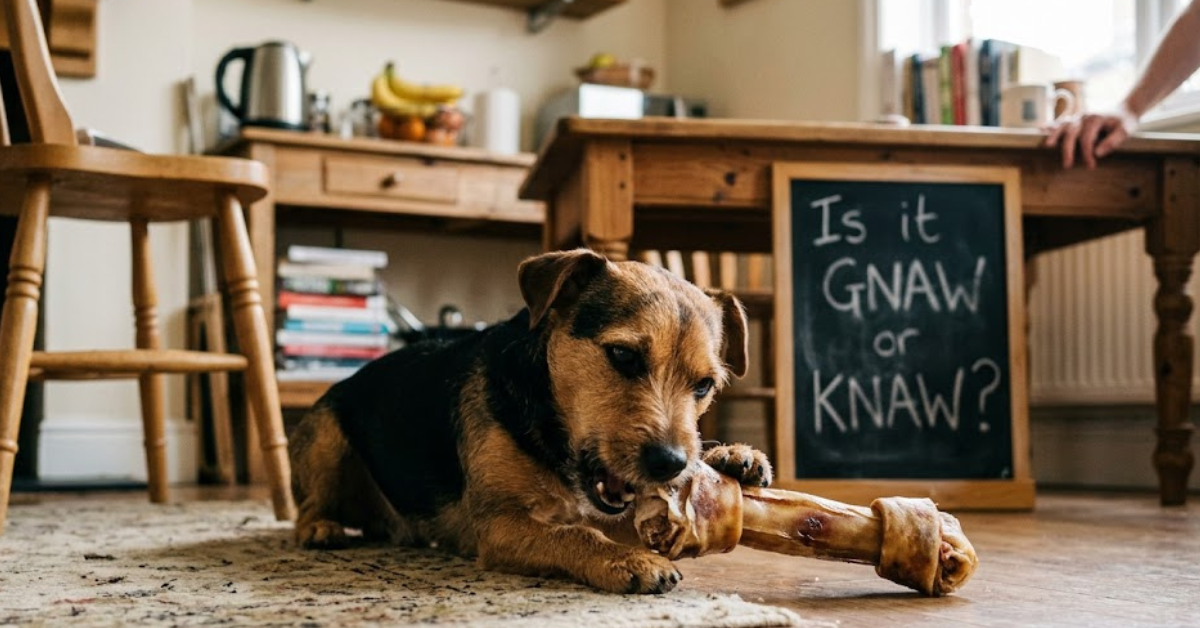
- The dog continued to gnaw on the bone for hours.
- Rats can gnaw through wood and plastic.
Figurative Meaning
- Guilt began to gnaw at his conscience.
- Anxiety kept gnawing at her mind all night.
In both cases, the idea involves something persistent and repetitive.
Gnaw or Knaw: Which Is Correct?
When comparing gnaw or knaw, the correct spelling is always gnaw.
Correct:
Gnaw
Incorrect:
Knaw
Many people mistakenly write “knaw” because English pronunciation can be misleading. Since the “g” in gnaw is silent, it sounds similar to words that begin with “n.” However, the traditional and grammatically correct spelling is still gnaw.
Why Is the “G” Silent in Gnaw?
English contains many words with silent letters due to their historical origins. In the case of gnaw, the word comes from Old English and Germanic language roots where the “g” was once pronounced.
Over time, pronunciation changed, but the spelling remained the same.
Similar Words With Silent Letters
Here are a few examples:
| Word | Silent Letter |
| Gnaw | G |
| Knife | K |
| Write | W |
| Thumb | B |
| Honest | H |
Silent letters are one reason English spelling can feel difficult even for native speakers.
Pronunciation of “Gnaw”
The word gnaw is pronounced as
Because the “g” is silent, many people assume the word should start with “n” or even spell it as “knaw.” That confusion is understandable, but dictionaries and grammar rules confirm that gnaw is the accepted form.
Different Meanings of Gnaw
The beauty of English vocabulary is that one word can carry multiple shades of meaning. “Gnaw” is a perfect example.
1. Physical Chewing
This is the most common meaning.
Examples:
- Puppies love to gnaw on shoes.
- Beavers gnaw through tree trunks.
2. Gradual Damage or Erosion
It can also describe something slowly wearing away.
Examples:
- Waves gnawed at the rocky shore.
- Rust gnawed at the old metal fence.
3. Emotional or Mental Distress
This figurative use is common in literature and conversation.
Examples:
- Doubt gnawed at him before the interview.
- Regret gnawed at her for years.
Common Mistakes People Make With “Gnaw”
Confusing Spelling
The biggest mistake is writing:
- “knaw”
- “naw” when they actually mean gnaw
Using the Wrong Context
Some people use gnaw only for animals chewing things, but it also works in emotional and descriptive writing.
Forgetting the Figurative Meaning
Writers often overlook how powerful the figurative use of gnaw can be in storytelling.
Synonyms of Gnaw
Using related words can improve your vocabulary and writing style.
Literal Synonyms
- Chew
- Bite
- Nibble
- Chomp
- Crunch
Figurative Synonyms
- Trouble
- Disturb
- Torment
- Bother
- Consume emotionally
Idioms and Expressions Using “Gnaw”
The word appears in several common phrases.
“Gnaw at Someone”
Meaning: To continually bother or worry someone.
Example:
- The unanswered question gnawed at him all day.
“Gnawing Hunger”
Meaning: Intense hunger.
Example:
- After the long hike, she felt a gnawing hunger.
These expressions make language more vivid and emotionally engaging.
How to Remember the Correct Spelling
If you struggle to remember whether it’s gnaw or knaw, try these tricks:
Memory Tips
- Think of the phrase:
“The G is silent, but it still belongs.” - Associate it with other silent-letter words:
- Gnome
- Gnash
- Sign
- Practice writing it in sentences.
Quick Practice Sentences
- The rabbit gnawed on the carrot.
- Fear gnawed at his confidence.
Repetition helps lock the correct spelling into memory.
Is “Knaw” Ever a Real Word?
In modern English, knaw is not considered a standard word. Most dictionaries label it as incorrect or simply do not include it at all.
However, you might occasionally see it:
- In old texts
- As a typo
- In informal online writing
For professional, academic, and everyday use, always choose gnaw.
Gnaw in Literature and Everyday Language
Writers often use gnaw because it creates a vivid mental image. It suggests persistence, discomfort, or slow destruction.
Literary Example
- “A terrible doubt gnawed at his heart.”
This type of wording adds emotional depth and tension to writing.
In everyday speech, people commonly say:
- “Something’s been gnawing at me.”
- “The puppy gnawed the table leg.”
The word remains highly relevant in both casual and formal English.
FAQs About Gnaw or Knaw
Is it spelled gnaw or knaw?
The correct spelling is gnaw. “Knaw” is incorrect in standard English.
What does gnaw mean?
Gnaw means to chew repeatedly or to cause ongoing emotional discomfort.
Why is the “g” silent in gnaw?
The silent “g” comes from the word’s historical pronunciation in Old English and Germanic languages.
How do you pronounce gnaw?
It is pronounced like “naw.”
Can gnaw be used figuratively?
Yes. For example:
- “Stress gnawed at her mind.”
Is knaw in the dictionary?
No major English dictionaries recognize “knaw” as the correct spelling.
Conclusion
When it comes to gnaw or knaw, the correct word is unquestionably gnaw. Although the silent “g” can make the spelling confusing, understanding the word’s meaning, pronunciation, and history makes it easier to remember.
Whether you’re describing a dog chewing a bone or a feeling of anxiety slowly eating away at someone, gnaw is a powerful and versatile word. By using it correctly, your writing becomes clearer, more polished, and more professional.